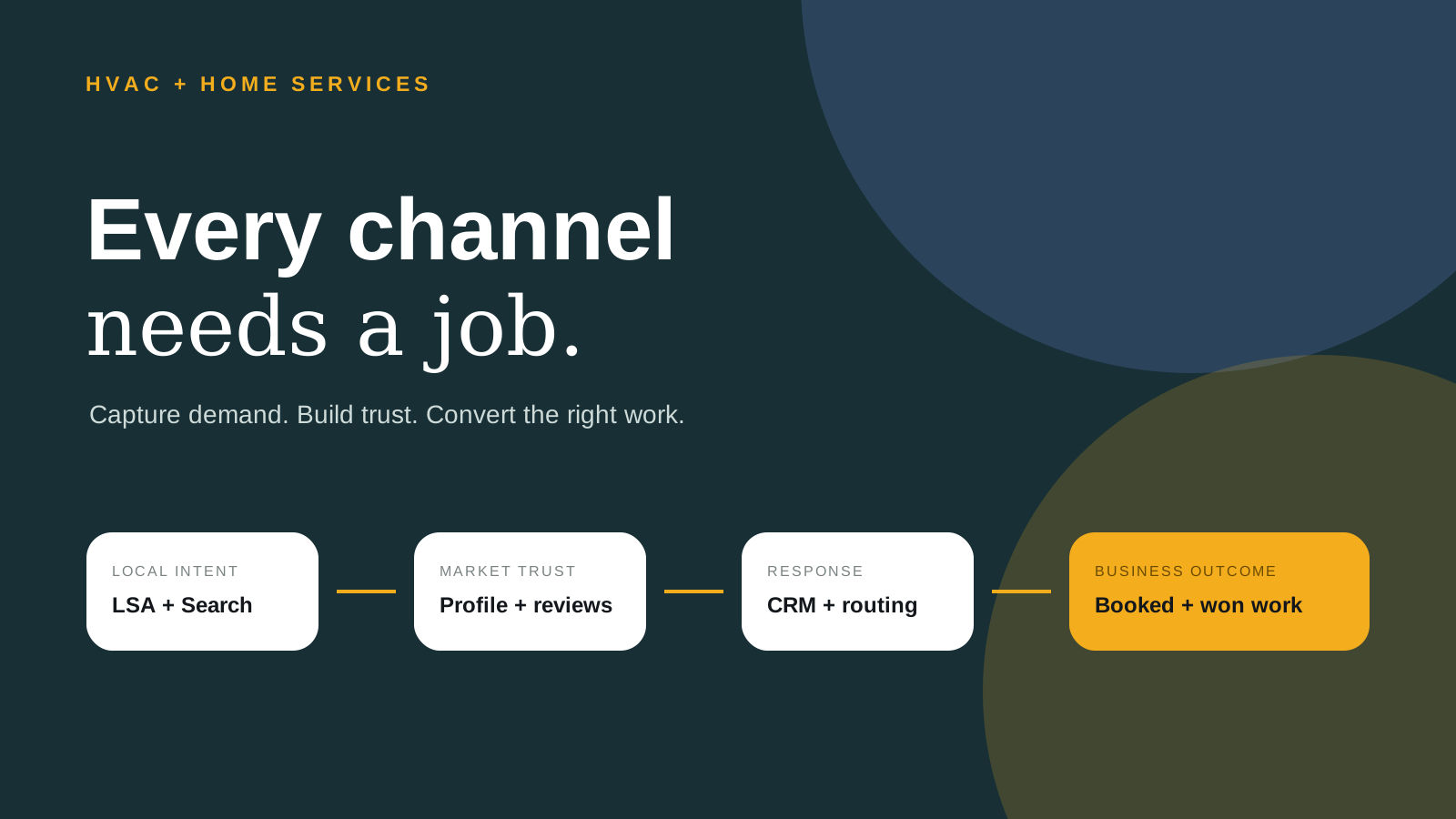
The short answer: Most growing HVAC companies need a coordinated mix of local visibility, paid intent capture, reviews, referrals and dependable follow-up. Local Services Ads and Google Search can capture urgent demand. The Google Business Profile and local content build durable visibility. CRM automation helps the company respond, route and measure every inquiry.
The correct mix depends on service area, job type, capacity, seasonality and unit economics. The goal is not to appear on every channel. It is to cover the moments when a homeowner or commercial buyer is ready to choose.
Use Local Services Ads for verified local intent.
HVAC is an eligible Local Services Ads category in the United States. The format is designed around local service queries and uses defined job types and service areas. Screening and eligibility requirements apply.
Use the channel when the company can answer promptly, maintain accurate coverage and track which booked jobs came from the lead source.
Use Google Search for specific problems and services.
Search campaigns can target high-intent needs such as emergency repair, furnace replacement, commercial maintenance or a specific local service. Separate campaigns and landing pages when job value, geography or customer type changes the economics.
Do not send every click to a generic home page. Continue the searcher's task with a clear service, coverage area, proof and booking or call path.
Use the Business Profile and local SEO to compound visibility.
Google says local results are based mainly on relevance, distance and prominence. Keep business information complete and accurate, choose appropriate categories, maintain service details and respond to reviews professionally.
Build useful pages around real service and market questions. Avoid thin city pages that repeat the same copy. A strong local page should help a buyer understand the service, coverage, process and next step.
LSA and search for active demand.
Profile, reviews and useful local pages.
Fast call, form and scheduling paths.
Maintenance, reminders and reactivation.
Use referrals and partnerships for higher-context demand.
Property managers, builders, real-estate professionals and adjacent home-service companies can introduce opportunities with more context than a cold click. Give partners a clear picture of ideal jobs, coverage areas and how the handoff should work.
Treat speed and routing as part of marketing.
An urgent HVAC inquiry loses value quickly when nobody answers or the request reaches the wrong team. Capture the service need, location, timing and source. Route by coverage, job type and availability. Use confirmations and reminders while keeping a human response available for complex work.
Add nurture for replacement and maintenance decisions.
Not every opportunity is an emergency. Replacement projects, commercial contracts and maintenance plans may require education and follow-up. Segment those contacts by equipment, interest and timing instead of sending the same promotion to everyone.
Build the scorecard around booked and completed work.
Track qualified calls and forms, booked appointments, show rate, estimates, won work, revenue and cost by source. Add rejection reasons and missed-call outcomes. Raw lead volume cannot explain whether a channel is attracting profitable jobs.
A sensible channel sequence
- Make the Business Profile, website and call handling accurate.
- Define priority services, areas and job economics.
- Test one paid intent channel with clear conversion tracking.
- Build review and referral processes.
- Add local content for durable demand.
- Connect every lead to scheduling, sales outcomes and revenue.
An HVAC growth engine works when visibility, response and operational capacity support one another. More leads do not help if the company cannot identify, book and complete the right work.
Frequently asked questions
Direct answers for the next decision.
Are Local Services Ads available for HVAC companies?
Yes. HVAC is listed as an eligible Local Services Ads category in the United States. Availability, screening, licensing and verification requirements vary by market and business.
Should an HVAC company use Local Services Ads or Google Search Ads?
They can serve different roles. Local Services Ads can capture verified local service intent, while Search Ads provide more control over keywords, messages and landing pages. Start with the channel that best matches capacity, market and measurement readiness.
What should an HVAC company track in its CRM?
Track source, campaign, service need, location, urgency, appointment, estimate, outcome, revenue and rejection reason. The exact fields should match how the company dispatches and sells work.
Does local SEO still matter when a company runs ads?
Yes. A complete Business Profile, credible reviews and useful local service pages can build durable visibility and trust while paid channels capture additional demand.
Sources and further reading
Put the framework to work
Find the constraint in your growth system.
ResNova can diagnose the current path, set the priorities and build the strategy, execution and infrastructure required to improve it.
Book a Growth Strategy Call ↗